Annie's Origin Story


If you had ever visited me in my old home, the first thing you would have noticed was my front garden.
I use the term "garden" very loosely because it was less a garden and more of a riot of plants duking it out for supremacy, barely contained by a fence made of split rail and twigs and paths made of river stone. There was no lawn, no neatly trimmed hedges, just color and chaos and, to me, unrestrained beauty and life. It was filled with bumblebees and monarchs, and my intention was that my home would be a sanctuary where creative love grows.
When we downsized and moved into our current house, the only thing I missed about my old home was my garden. We had yet to start one at the new place. I missed the beauty of it, the rhythm of it, and the connection it gave me to the natural world.
In 2020, my husband and I did something unexpected. We bought the half-acre lot that abuts the backyard of our home and eventually began our plans for a communal urban garden.
On this lot, we planned to cultivate herbs, flowers, and vegetables.
And, we planned to cultivate relationships with friends and neighbors who wanted to plant alongside us and discover more about what we were doing in the urban landscape of our neighborhood.
Still, we also intended to cultivate what Benjamin Vogt describes in "A New Garden Ethic" as "a defiant compassion for an uncertain future". In choosing to plant a garden, we were choosing a path of defiant hope. So much could go wrong, so often things do. But the hope and the promise of growth and new life were irresistible.
We purchased the long, narrow half-acre plot of land with nothing on it but a few trees and a shed.
As Fall gave way to Winter, the green grass became buried beneath the snow of Midwestern December, and the trees stood stark and naked against a colorless urban landscape. We didn’t know it yet, but by the time the sale was finalized in January of 2020, a virus, which began in a city most of us in the US hadn’t heard of, was already spreading disease and death throughout the world. The darkest time in many of our memories was unfolding, and the world was about to shut down.
We could leave the land as nothing more than a strip of lawn, an old shed, and a few trees, or we could plant daffodils, and tulips, sunflowers, zinnias, and amaranth. We could write a love letter to our neighborhood, written in flowers, to remind us that there is still beauty and goodness in the midst of so much shared sorrow. We could do something hopeful and optimistic because planting a garden is always an act of optimism. The world continued to grow in fear and uncertainty, but our garden continued to grow in beauty.
During the early Spring of 2025, I committed myself and our land to the audacious belief that if I can’t do much of anything else to offer help, I could at least help feed people. I chose to partner with Flowers Feed Folks because I believe in the mission and vision of an organization dedicated to sowing the seeds of food sovereignty and growing meaningful community. Last year alone, what Flowers Feed Folks grew allowed us to develop and farm several urban and rural plots that grew tons of food that were then donated to food pantries, homeless shelters, domestic violence shelters, and group homes throughout our city. The sacred soil of our Mother the Earth has taken dreams and vision, seeds and seedlings, and a lot of hard damn work, mostly done by my amazing friends Nan and David Braun, and has turned that into food that nourishes our bodies and sustains our hope. Produce that didn’t require another country and countless gallons of fossil fuel to get into our bellies.

Through this endeavor, we are cultivating real community and sowing the seeds of food sovereignty in our city. And we’re just getting started. In 2026, we will more than double our growing capabilities and hopefully add to what we can offer as we plan to teach others how to grow, preserve, and utilize their own food. And we plan to eat together, to celebrate what we have grown, and to be grateful for the hands and lands that provided.
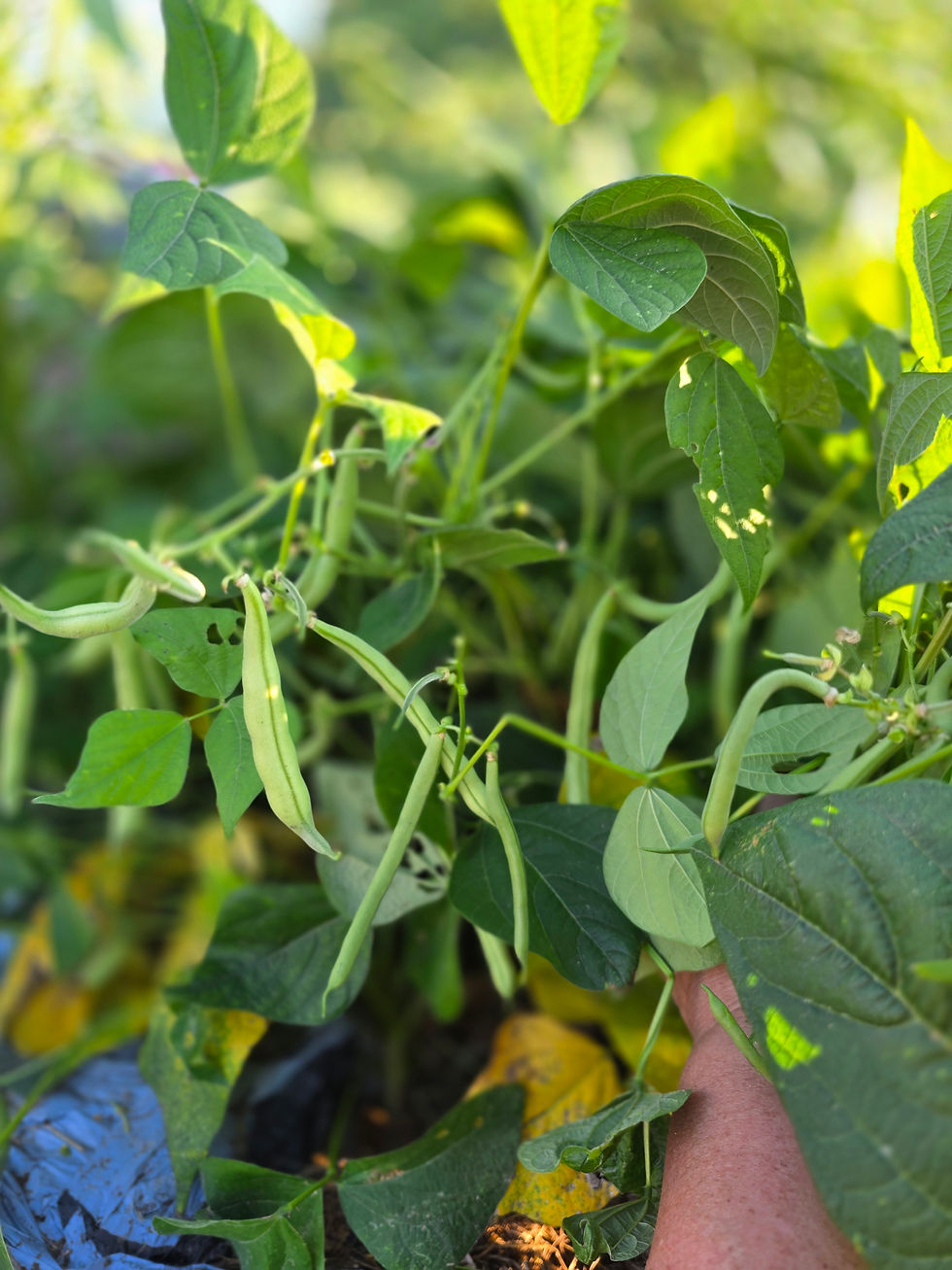
I know things may never be as good as we all hope they would be. But, let us remember that we are the ones with the actual power to offer hope and help. That kindness and hard work can work miracles in a community, especially if the work is shared by many hands and the kindness offered to many people. That a sunflower seed, a tomato plant, or thousands of bean seeds can go into the Earth and become something that is food for the hungry or food for the soil. And that an idea to help feed the hungry can blossom into the growth of food sovereignty in a small Midwestern community.
Thanks to the sharply focused vision of Nan and Dave, at Flowers Feed Folks, we are creating a model of closed-loop sustainability in our city. The seeds we save become future flowers, which are sold to produce funds to create plots that grow the fruits and vegetables that feed our community. Everything works together in a sustainable circle so waste is minimal, fossil fuels are limited, resources go to help our people, and community and partnerships are integral parts of our system, from the manure that builds the soil to the hands of the people who volunteer to help with tending the plots and bringing in the harvest.
At Flowers Feed Folks, we ask ourselves, what if the hearts, minds, and hands of our community were all that there was? All that keeps us from toppling over the edge and falling into hunger and hopelessness. What if we are the ones who are asked to bring comfort to those who are suffering? Our minds imagining new life, our hearts breaking open and pouring out more love than we thought we were capable of holding, and our ingenuity and creativity developing and implementing an audacious plan to grow flowers that bring joy and fresh, local, food that fills the bellies of the hungry and underresourced. What if we're being asked to be the hands reaching out in acts of kindness?
ReplyForward
Add reaction
Share in chat
New


Comments